
Disclosure: This post contains affiliate links. If you purchase through these links, All Day Santé may earn a small commission—at no extra cost to you. We only recommend products we genuinely love and use to support a balanced, elevated wellness lifestyle.
(Image Credit: Pinterest)
At All Day Santé, we believe wellness isn’t something you have to earn through exhaustion. It can come through rhythm, intention, and the kind of movement that sustains you—not drains you.
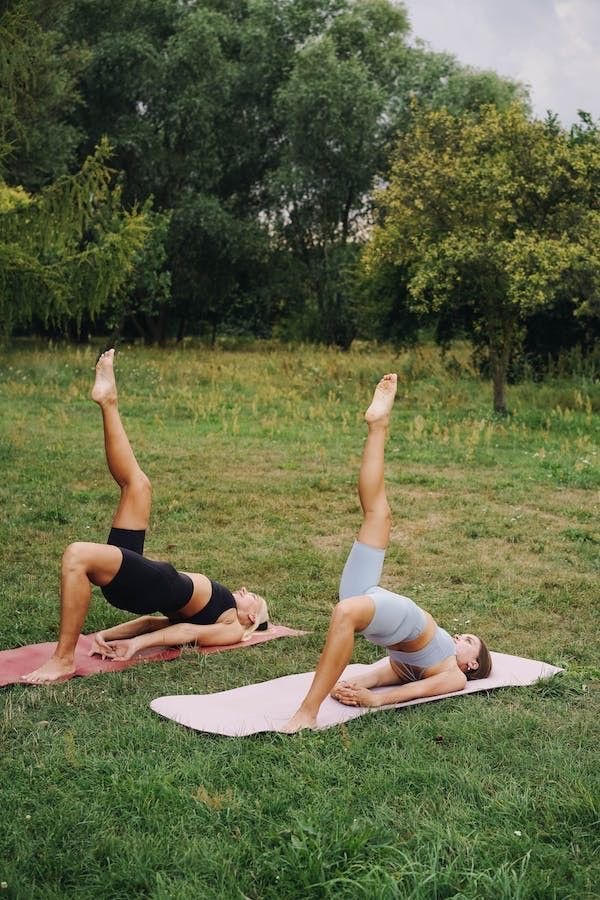
Longevity doesn’t belong to the loudest workout or the fastest pace. It lives in the quiet consistency of daily rituals. And often, it looks like leisure: a round of golf at golden hour, a calm-but-core-firing Pilates session, a friendly game of tennis on a Sunday morning.
These aren’t high-intensity moments. But they are high-return.
Here’s why low-impact hobbies might be the most sustainable form of strength—and how they support health far beyond what you can see in a mirror.
1. They Build Strength Where It Matters
Think of Pilates, tai chi, or even a steady round of golf: each encourages controlled, deliberate motion. Movements are slower, but often more precise—and they activate muscles that don’t always engage in faster workouts.
- Pilates strengthens the deep core, stabilizes the spine, and improves posture—crucial for aging well and preventing injury.
- Golf supports trunk rotation, balance, and joint stability. Plus, a full game involves 4–6 miles of walking.
- Tennis or pickleball combine functional agility with cardiovascular benefit—but in a social, joy-filled way.
These aren’t “easy” workouts. They’re simply quieter. And over time, they build resilience in the body where it counts.
2. They’re Gentle on Joints, Yet Powerful for Longevity
Longevity is less about intensity and more about consistency. Low-impact hobbies are inherently more sustainable, making it easier to stay active without chronic inflammation or overuse.
Wearable data (like Oura and WHOOP) often reflects this:
- Lower resting heart rate
- Higher heart rate variability (HRV)
- Increased activity minutes without elevated strain
In other words: your body responds to effort that’s gentle but regular—and your recovery scores will likely show it.
3. They Support Metabolic Health, Without Burnout
These kinds of activities—especially when done outdoors—regulate blood sugar, aid in fat metabolism, and support insulin sensitivity. You’re moving consistently, but your nervous system isn’t overloaded.
If you use a CGM or wearables like Oura or WHOOP, you may notice:
- Fewer glucose spikes
- Better recovery markers
- A more even energy profile throughout the day
The science is simple: low-impact movement keeps the body active and metabolically flexible—without tipping into stress mode.
4. They Calm the Nervous System
Unlike overstimulating workouts, these activities invite presence. Breath aligns with motion. Focus narrows. Stress hormones lower.
It’s a form of active mindfulness—and your parasympathetic nervous system (the one responsible for rest, digestion, and healing) takes the lead.
This matters because nervous system health is deeply tied to longevity. And it’s reflected in wearables by improved sleep quality, more stable HRV, and lower evening cortisol patterns.
5. They Age With You—Beautifully
The beauty of low-impact hobbies? You can do them at any age. They evolve with your body instead of against it. What begins as a fun class or game becomes a lifelong ritual—one that helps you stay mobile, engaged, and deeply well.
There’s nothing performative here. Just grounded, elegant movement that keeps you connected to your body—and to joy.
Movement, Reimagined
In a world that often equates effort with intensity, there’s something radical about choosing leisure as your wellness strategy. Golf isn’t just a game. Pilates isn’t just a workout. Tennis isn’t just weekend fun.
These are long-term investments in how you want to move—and feel—for decades to come.
And the next time your Oura or WHOOP registers that calm, collected session as a surprisingly high recovery score? You’ll know why.
Try This: Build a Weekly Longevity Ritual
- Pick 1–2 low-impact activities you genuinely enjoy
- Pair them with a wearable to track subtle shifts over time
- Use them as anchors for recovery, stress relief, and metabolic balance
This is how you build health that lasts.
Not through extremes. But through elegance, joy, and the kind of strength that never burns out.




Leave a Reply