
Disclosure: This post contains affiliate links. If you purchase through these links, All Day Santé may earn a small commission—at no extra cost to you. We only recommend products we genuinely love and use to support a balanced, elevated wellness lifestyle.
(Image Credit: Pinterest)
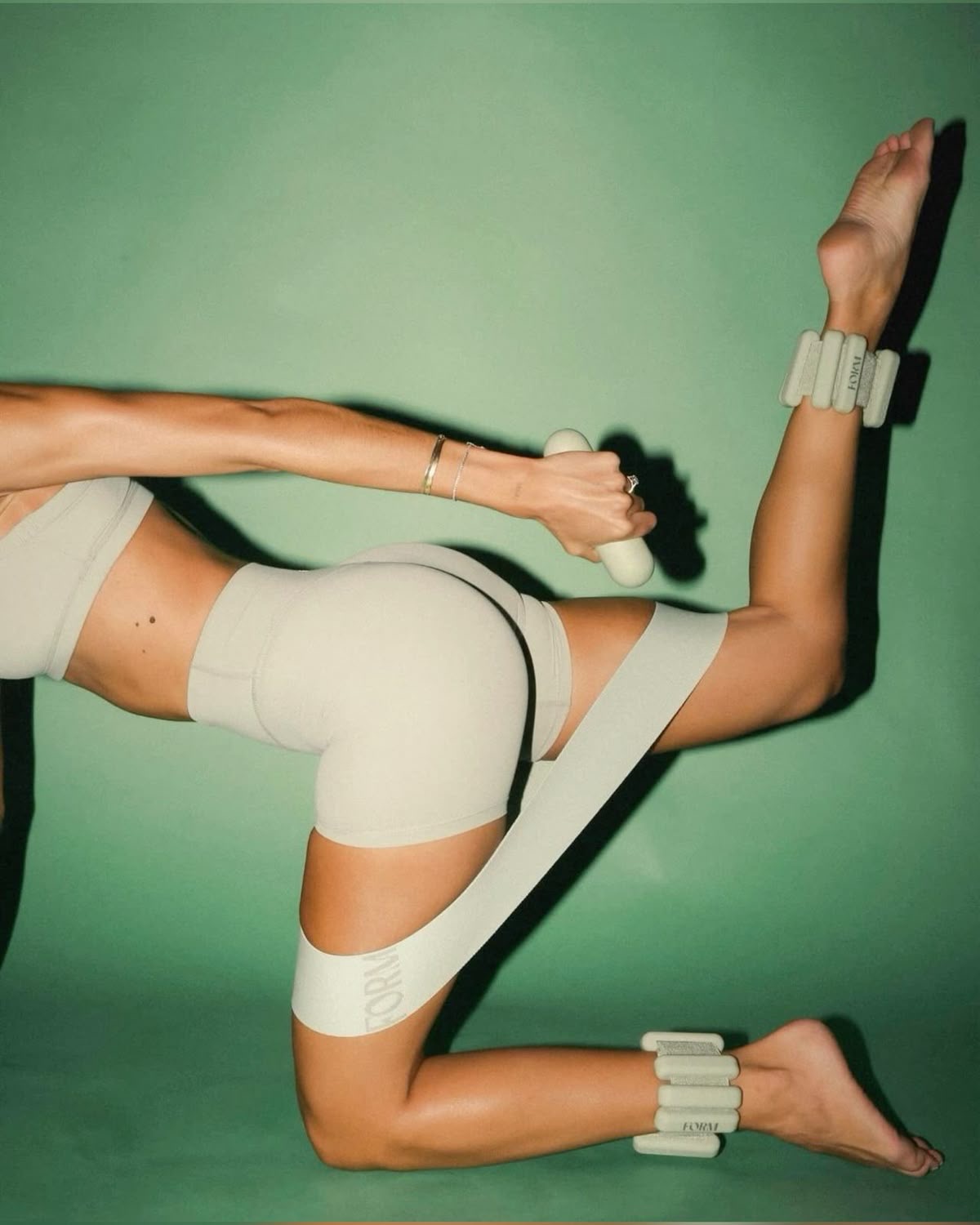
At All Day Santé, we’re all about rituals that don’t just feel good—they do good. And if you’re looking to move smarter, recover better, and support your muscles in a sustainable way, it’s time to take a fresh look at Pilates.
More than a flexibility practice, Pilates is a low-impact powerhouse for strengthening fast-twitch muscles, supporting neuromuscular balance, and optimizing your body’s recovery process. Whether you’re an athlete, a biohacker, or just someone seeking more mind-body connection, Pilates offers a targeted way to activate muscle groups that often go neglected.
What Are Fast-Twitch Muscles—and Why Should You Care?
Fast-twitch muscle fibers are responsible for quick, explosive movements—think sprinting, jumping, or weightlifting. These fibers fatigue faster than slow-twitch fibers (which power endurance), and they require more targeted recovery and care.
As we age or focus heavily on endurance training, fast-twitch muscles tend to weaken—unless we train them intentionally. Pilates helps with exactly that.
How Pilates Supports Fast-Twitch Muscle Health
- Targeted Activation
Pilates emphasizes control, precision, and resistance through isolated movements. This helps activate smaller stabilizing muscles—including fast-twitch fibers—without the wear and tear of high-impact workouts. - Improved Muscle Recovery
Because Pilates focuses on mobility, flexibility, and core stability, it enhances circulation and reduces post-workout soreness. That means faster muscle recovery and less risk of injury. - Injury Prevention
Pilates strengthens connective tissues and balances muscle groups, reducing overcompensation and muscle imbalances that can lead to injury—especially in high-impact sports or training regimens. - Core + Neuromuscular Control
The practice enhances your brain-body connection, making it easier to recruit fast-twitch fibers on demand and control your movements under pressure.
Wearables & Health Tech to Track Your Pilates Progress
Just like with matcha or strength training, data makes your Pilates practice more personalized and powerful. By pairing your workouts with a wearable tracker or health testing device, you’ll gain deeper insight into how your body responds and recovers over time.
- Oura Ring: Oura tracks your sleep quality, HRV, and recovery readiness. With regular Pilates practice, you may notice higher HRV scores and better sleep—both indicators of reduced stress and better muscle recovery.
- Whoop Band: Ideal for athletes or high-performers, Whoop helps measure strain, recovery, and sleep. Use it to gauge how low-impact Pilates sessions help your body recover between high-strain days—or serve as active recovery themselves.
- Athos Smart Apparel (for advanced users): Athos gear measures muscle activation during workouts. It can help you see exactly which muscle groups you’re engaging in Pilates—and where you may need to focus more.
- Lumen or InsideTracker: These tools can give you metabolic and biomarker insights—perfect for tracking how your training style (including Pilates) affects recovery, stress, inflammation, and energy usage.
Make Pilates a Data-Driven Part of Your Wellness Journey
Pilates isn’t just “stretching”—it’s a science-backed, strength-building, recovery-enhancing method that supports long-term muscle health and fast-twitch activation. And when you pair it with modern health tracking tools, you’ll see just how much of a difference it makes.
Pro tip: Incorporate Pilates on your off days or after high-intensity workouts. Track your HRV, sleep quality, and muscle fatigue using your favorite wearable. Over time, you’ll notice:
- Better mobility
- Faster recovery
- Stronger performance
- Fewer injuries
Recommended Tools & Resources
Online Pilates Platforms:







Leave a Reply